Reading:
Complete The White Tiger
Study Questions:
1. Why is Balram writing this letter to Wen Jiaboa? What does he hope to communicate?
2. Bring in a passage from today's reading that you believe to be particularly important. Justify why you think this passage is important. You do not need to transcribe the entire passage, only the first line and the page necessary page numbers. You will share this with the class.
Showing posts with label India. Show all posts
Week 13.2: Aravind Adiga, The White Tiger
Reading:
Aravind Adiga, The White Tiger, 146-203
Study Questions:
1. How might we connect the issues raised in The White Tiger to the material we read in Invisible Hands, particularly as it concerns resource extraction?
2. Over the course of reading this novel, we have discussed issues concerning personal identity, the role of geography, and morality. How do these issues develop in today's reading?
Aravind Adiga, The White Tiger, 146-203
Study Questions:
1. How might we connect the issues raised in The White Tiger to the material we read in Invisible Hands, particularly as it concerns resource extraction?
2. Over the course of reading this novel, we have discussed issues concerning personal identity, the role of geography, and morality. How do these issues develop in today's reading?
Week 13.1: Aravind Adiga, The White Tiger
| Fredda Brilliant, Mahatma Gandhi (1968) |
Aravind Adiga, The White Tiger, 96-145
Study Questions:
1. Balram frequently quotes Madam Pinky's common refrain, "What a fucking joke." What is the joke? Why might this joke be (darkly) funny ?
2. What is significant about the statue of Gandhi that Mr. Ashok passes? How does this reflect the novel's disappointed idealism?
3. How does Balram come to see himself? How does he change? What does he change into?
Week 12.2: Aravind Adiga, The White Tiger
Reading:
Aravind Adiga, The White Tiger, 54-95
Initial Interview Must Be Conducted
Study Question:
1. The White Tiger is in many ways a book about geographic space. What is the relationship between:
a. The Light and Darkness?
b. India and China?
c. India and the United States?
How do these relationships speak to issues of work and labor?
Week 12.1: Aravind Adiga, The White Tiger
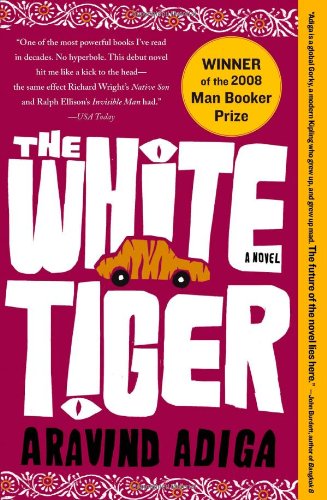
Aravind Adiga was born in 1974 in Madras (now called Chennai), and grew up in Mangalore in the south of India. He was educated at Columbia University in New York and Magdalen College, Oxford. His articles have appeared in publications such as the New Yorker, the Sunday Times, the Financial Times, and the Times of India. His first novel, The White Tiger, won the Man Booker Prize for fiction in 2008. A second novel, Last Man in Tower, was published in 2011. (from Adiga's official site)
Reading:
Aravind Adiga, The White Tiger, 1-54
Study Questions:
1. What is the novel's view of education? How does this compare to your own view of education? Make sure, as always, to support your answer with textual evidence.
2. How does Balram define morality? Why does he define morality in this way? Make sure, as always, to support your answers with textual evidence.
Week 11.1: Invisible Hands (Resource Extraction)
![]() | ||||
| Harold C. Harvey, St. Just Tin Miners (1935) |
Invisible Hands, 191-196
Either Albert Mwanaumo or Clive Porabou interview
Viewing: Harold C. Harvey, St. Just Tin Miners (website)
Study Questions:
1. Consider the shape of the oral histories that you've read so far. How do they all begin? How do they progress? Where have they tended to end? How might you use this in shaping your own oral history?
2. What strikes you as the most interesting/significant aspect of the oral history that you read today? What do you believe you should take away from the oral history? What do your peers need to know about the oral history you read?
Week 10.2: Invisible Hands (Agriculture)
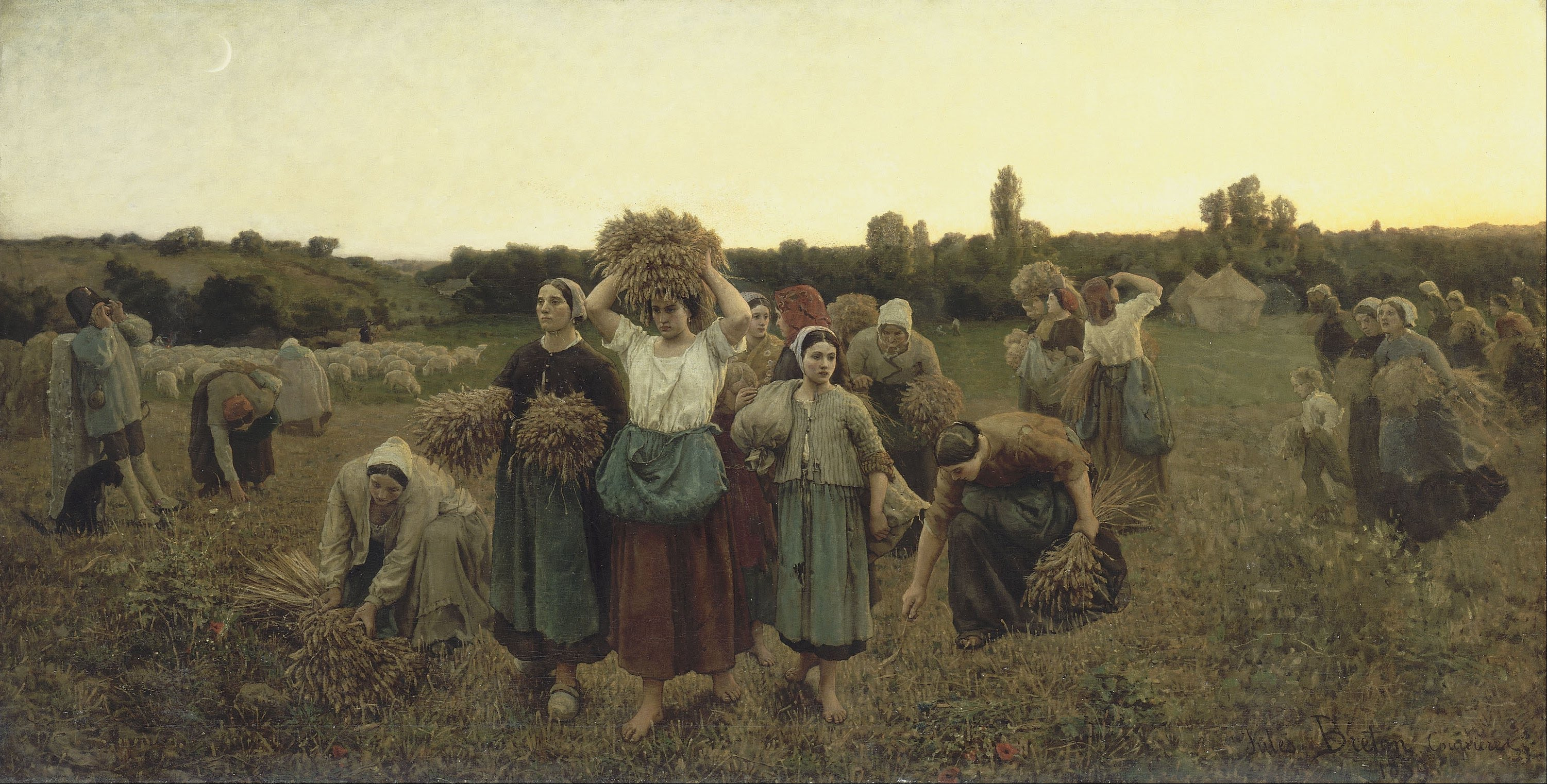
| Jules Breton, Calling in the Gleaners (1859) |
Invisible Hands, 107-112
Acuna-Arias (Akolkar Interview)
Cortez-Hardy (Opa Interview)
Hendriksz-MacCarillo (Cocon Interview)
Myers-Sage (Guzman)
Sedighi-Zapeda (Cuello)
Viewing: Jules Breton, Calling in the Gleaners (website)
Study Questions:
1. What connections can you make between the reading you did for today and the reading that you did for last session on "The Garment Industry"? What seems similar between the two narratives? What seems unique?
2. Read over the oral history very carefully. Select the largest section of the narrative and try to imagine what questions the interviewer asked to get the subject to talk? How do you imagine these questions were phrased? What questions would you ask?
Review:
Labels:
Corinne Goria,
France,
Guatemala,
history,
India,
Invisible Hands,
Jules Breton,
Oral History,
United States,
Uzbekistan
Subscribe to:
Posts (Atom)